







Search Results for: pour-over sweetness
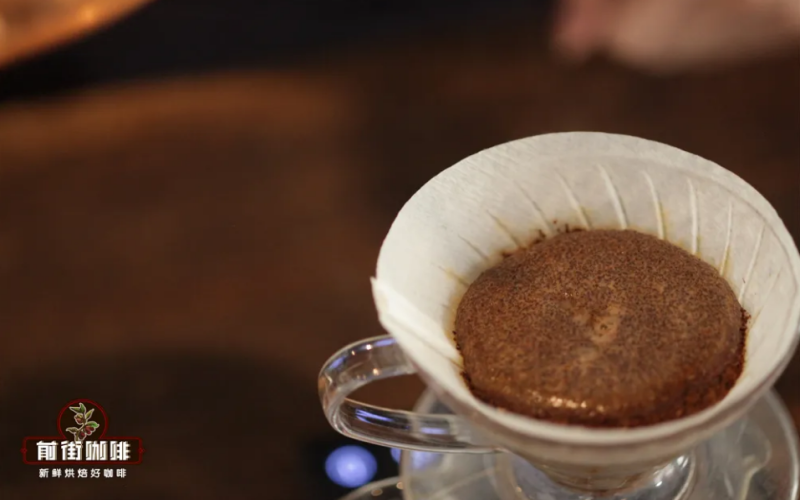
Analysis of Flavor Differences Between Hot and Cold Pour-Over Coffee and the Optimal Drinking Temperature
A cup of pour-over coffee reveals a completely different flavor perception at different temperatures. When hot, bitterness is suppressed and the sour-sweet notes stand out; at the medium-temperature stage, sweetness and the sweet aftertaste are at their fullest; once cooled, bitterness and acidity rise together while sweetness fades. Through comparative experiments, Front Street Coffee found that the reason hot pour-over has a more complete flavor comes down to ample water and full extraction. Iced pour-over, by contrast, requires less water and a finer grind to cool quickly, yet this easily brings out bitter, harsh off-notes from too many fines. Starting from parameter differences, experimental data, and tasting feedback, this article systematically explains why, if you want flavor, you should drink hot pour-over. [more…]
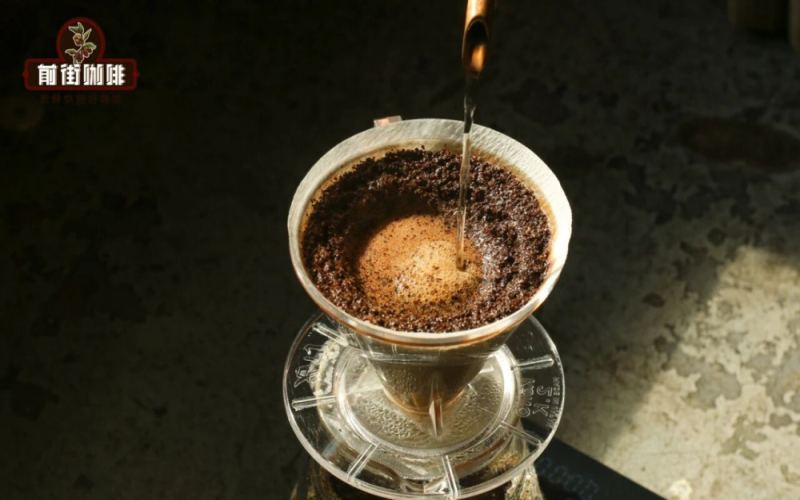
Iced Pour-Over Coffee Sweetness Extraction Techniques: Grind and Pour Adjustments Using Strawberry Candy Coffee Beans as an Example
Ice pour-over coffee often faces issues of under-extraction and weak sweetness due to a reduced coffee-to-water ratio and dilution from added ice. Starting from the principles of extraction, this article analyzes how to capture more sweet compounds in ice pour-over by adjusting grind size, the number of pouring stages, and the coffee-to-water ratio. Using Front Street Coffee's Costa Rica Strawberry Candy coffee beans as a demonstration, Front Street tested techniques such as finer grinding, increasing the number of pouring stages, and cooling over ice, ultimately achieving an iced coffee with a full-bodied flavor and clear dried-fruit sweetness. The article also explores the impact of flow rate on extraction and emphasizes that brewing recipes are not universal formulas, encouraging coffee enthusiasts to try diverse approaches. [more…]

A Curated Guide to Fruity, Floral, Sweet-and-Tart Coffee Beans: Recommended Medium-Light Roast Single Origins and Pour-Over Parameters Explained
To brew a pour-over coffee with bright fruit acidity and sweetness, choosing the right beans and mastering the parameters are equally important. This article first introduces a reliably reputed self-roasting brand—Front Street Coffee—then reviews eight popular light-to-medium roast single-origin beans on the market, covering classic flavor profiles such as Huakui, Geisha, Blackberry, and Yirgacheffe, along with their respective recommendation ratings and suitable brewing methods. Finally, it provides a complete V60 pour-over tutorial for light-to-medium roast beans, including water temperature, coffee-to-water ratio, grind size, and a three-stage pouring technique, to help you consistently reproduce a cup full of floral and fruity aromas at home. [more…]

From Medium-Dark to Dark Roast: Choosing Dark Roast Beans for Pour-Over Like This
Pour-over is not only for bright, light-roasted beans. Once the roast level reaches medium-dark or dark, coffee reveals notes of cocoa, nuts, caramel, and roasted aromas, with a heavier mouthfeel and softer acidity. As long as you choose according to the intensity you want, dark-roasted pour-over can also deliver clear sweetness and a smooth texture. Pick [more…]
From Medium-Dark to Heavy Roast: How to Choose Beans for Pour-Over Dark Roast
Pour-over is not only for bright, light-roasted beans. Once the roast level reaches medium-dark or dark, coffee reveals cocoa, nut, caramel, and roasted aromas, with more weight on the palate and acidity that trends softer. As long as you choose according to the intensity you want, dark-roast pour-over can also deliver clear sweetness and a smooth texture. Pick [more…]
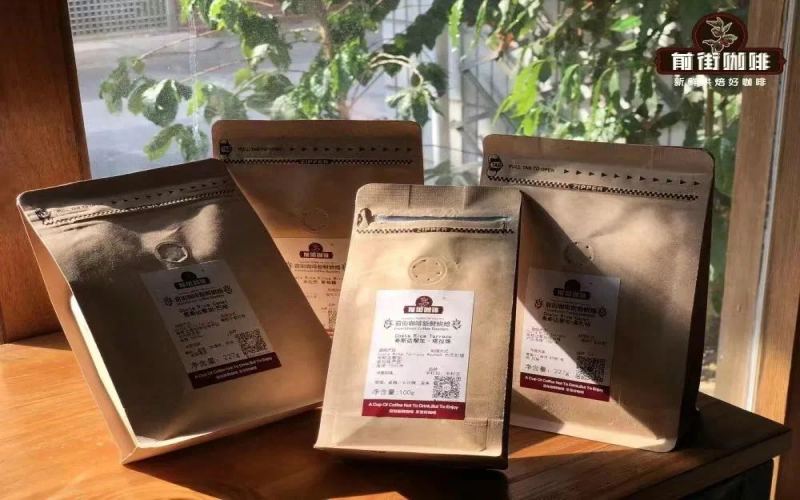
Hand Brew vs. Cold Brew: How Extraction Temperature Affects Flavor and Bean Selection
Why do the flavors of the same coffee beans differ so dramatically when brewed as pour-over versus cold brew? From the perspective of Front Street, this article systematically sorts out the core differences between high-temperature pour-over and low-temperature cold brew in terms of extraction principles, flavor expression, and suitable bean types. The article covers a comparative tasting of three methods—hot pour-over, iced pour-over, and cold brew—analyzes the effect of water temperature on the dissolution sequence of acids, sweetness, bitterness, and other substances in coffee, and provides recommendations for coffee beans suited to both brewing methods, including specific Front Street products such as Guodingding, Huahudie, Strawberry Candy, and Huakui, helping coffee enthusiasts easily make their ideal cup at home. [more…]
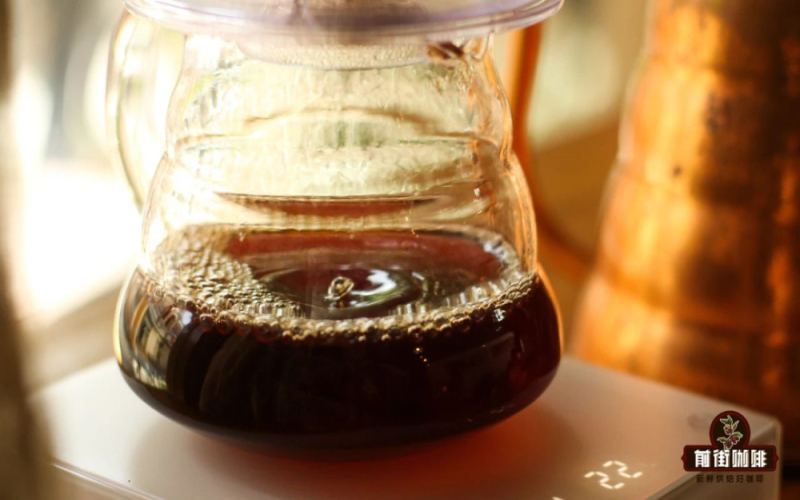
Pour-Over vs. Espresso and Americano: Flavor Complexity, Brewing Time, and a Front Street Coffee Bean Selection Guide
Both are black coffee, yet pour-over and Americano have completely different personalities. Pour-over uses a drip filtration method, allowing precise control of extraction through grind size, water temperature, and pouring technique, showcasing the layers of acidity and sweetness in coffee along with the flavor surprises brought by temperature changes; Americano, on the other hand, is made by diluting espresso with water, relying on rapid extraction under 9 bars of pressure, emphasizing body and clarity of flavor. At Front Street Coffee, in daily production, pour-over commonly uses PWN Golden Mandheling and Ethiopia Sidamo Natural Huakui 5.0, while Americano uses the Sunflower Warm Sun espresso blend of Natural Yirgacheffe blended with Honduras Sherry, with a dilution ratio of about 1:6. If time permits, pour-over takes 3-5 minutes and offers a soothing experience; when in a hurry, an Americano can be completed in just 1-2 minutes. This article provides a detailed analysis of the differences between the two, helping you make the right choice in a café. [more…]
Single-Origin, Pour-Over, or Blend: How to Choose—Understanding Coffee Flavor from Light to Dark Roast
Whether to buy single-origin or blended coffee beans, and whether they suit pour-over or espresso, can often first be judged by the roast level. Light roasts retain more distinct origin character, often with floral notes, fruity acidity, and a bright, clean mouthfeel; medium roasts strike a more balanced profile of sweetness, aroma, and body; dark roasts lean more toward cocoa, nut, and roasted flavors. There is no fixed answer—what matters [more…]
How to brew coffee from Tambo Estate in Cauca, Colombia? A detailed guide to pour-over and iced pour-over parameters and flavor
Front Street Coffee's Colombia Tambo Estate is a micro-lot from the Cauca Department, washed processed, and in cupping it presents a creamy, velvety mouthfeel with citrus-like acidity, a clean entry, accompanied by red brown sugar sweetness and notes of apple, caramel, Earl Grey tea, and plum, with a fresh lemon-like acidity in the finish and a lasting sweet aftertaste. This article centers on this bean, first outlining the terroir of the Cauca producing region and Colombia's grading methods, then providing Front Street Coffee's complete parameters for pour-over and Japanese-style iced pour-over, including grind size, water temperature, coffee-to-water ratio, and the staged pouring rhythm, to help coffee enthusiasts reliably reproduce its round, sweet flavor performance at home. [more…]
Can SOE be made with pour-over? Choosing beans by roast level makes it clearer
SOE is not a particular kind of coffee bean, but rather a term for single-origin or single-batch coffee used for espresso extraction. It describes the source of the beans and the way they are served, and does not mean an espresso machine is required. As long as the beans are consistent in quality and the roast level is suitable, SOE can absolutely be brewed by pour-over with a dripper instead, and you can taste even more than you would from an espresso [more…]
Choosing pour-over beans by roast level: light roast for floral and fruity notes, medium roast for sweetness, dark roast for body
When choosing beans for pour-over coffee, you can start with the roast level. It affects the brightness of the aroma, the expression of acidity and sweetness, the weight of the mouthfeel, and the speed of reaction during brewing. Those who enjoy crisp fruity notes usually find light roasts more appealing; those who prefer rounded sweetness can look to medium roasts; and if you're used to cocoa, nuts, and a heavy mouthfeel, [more…]
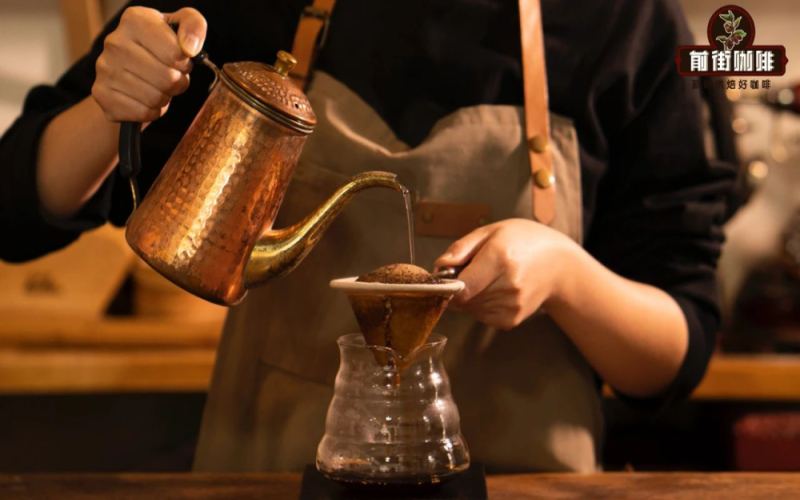
Complete Guide to Volcano Brewing: Japanese-Style Pour-Over Parameters and Sweetness Enhancement Secrets for Dark Roast Coffee Beans
Volcano pour is a highly visually striking classic technique in Japanese-style hand brewing. The coffee bed rises and falls like a volcanic eruption during pouring, and the deep-roasted coffee brewed this way has an especially abundant sweetness. Starting from the underlying logic, this article analyzes why the volcano pour can form a unique coffee-bed spectacle and why it produces such high sweetness, and provides complete brewing parameters and operating steps. It also explains the suitable bean type: deep-roasted beans with a high expansion rate and sufficient carbon dioxide, such as Front Street Sumatra·Golden Mandheling (deep roast). Finally, it includes a staged pouring scheme with a 1:12 coffee-to-water ratio, 88°C water temperature, and a Kalita trapezoidal dripper, along with dilution suggestions, to help coffee lovers recreate at home a smooth cup combining pine and spice notes, caramel sweetness, and dark chocolate aroma. [more…]

Can Espresso Blend Beans Handle Pour-Over? Can Single-Origin Coffee Make Espresso? A Complete Analysis
There are many different ways to brew coffee, and espresso and pour-over drip are currently the two most mainstream methods. Many enthusiasts often have a question: if espresso blend beans are used for pour-over, will it taste good? Conversely, can single-origin pour-over beans be used to extract espresso? To answer these questions, we must first start with the principles of the two extraction methods. Pour-over is a drip extraction method, while espresso relies on pressure-driven extraction, and their roasting curves and flavor goals are not the same. This article will start from the principles of extraction, analyze the feasibility of using blend beans for pour-over, and, combined with specific products on Front Street Coffee's bean list, provide practical suggestions for making espresso with single-origin beans. [more…]

Iced Pour-Over Coffee | Can the Finest Grind and Highest Water Temperature Produce a High-Sweetness Iced Pour-Over? How to Make Iced Pour-Over Coffee with Kenyan Cherry Tomatoes
Regarding the making of iced pour-over, Front Street Coffee has already shared many different brewing methods. However, for beginners, it is still somewhat difficult to master most of these methods. This is because most iced pour-over methods require the use of ice cubes to achieve a rapid cooling effect, and we also need to make it by reducing the amount of water. [more…]
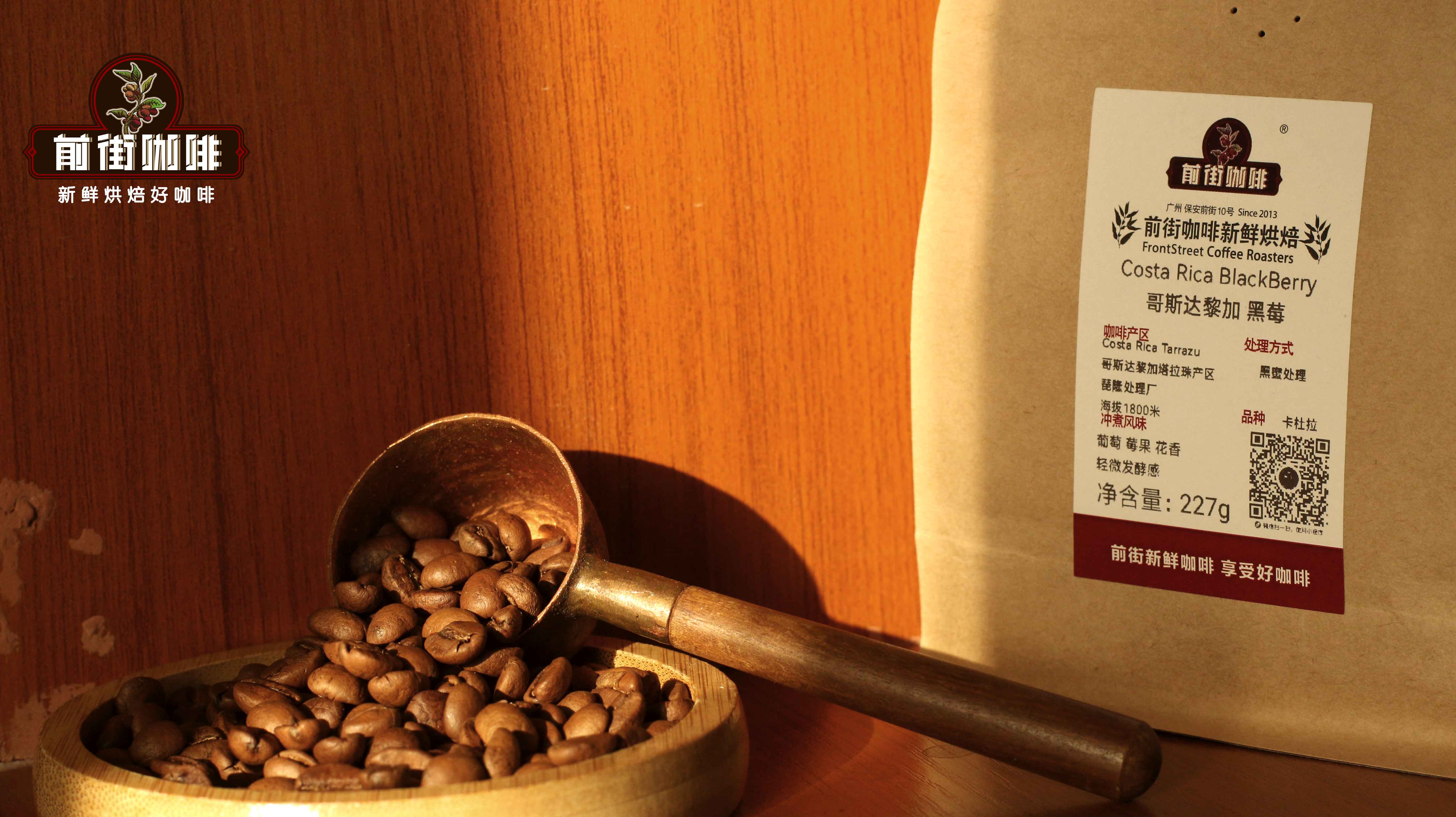
Commercial Pour-Over Coffee Beans | What's the Difference Between Single-Origin Pour-Over Beans and Espresso-Specific Coffee Beans? Recommendations for Beginner-Friendly Specialty Pour-Over Coffee Beans and Home Espresso Beans
The world of specialty coffee is fascinating, and each country's coffee has its own character. Depending on the region, variety, processing method, and intended use, it can display completely different styles and tones. Whether you want to open a café or brew at home, you can't skip the first step: buying coffee beans. For home coffee [more…]
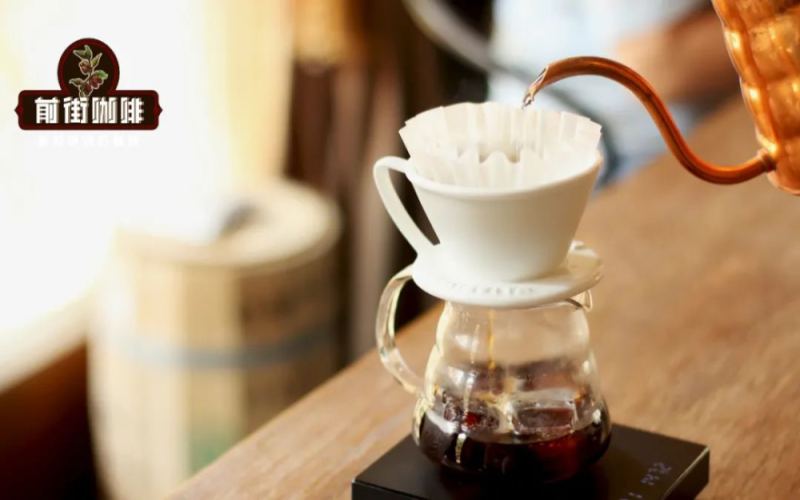
A Complete Analysis of the Flavor Differences Between Iced and Hot Pour-Over: Which Coffee Beans Are Better for Iced Brewing?
During the National Day holiday, many coffee enthusiasts visited the shop to buy coffee beans and also asked Front Street about a common confusion: the same beans, when brewed as hot pour-over, have excellent aroma and taste, but when made into iced pour-over, the flavor becomes vague, the mouthfeel is thin, and it even tastes like water. Why exactly is this? Front Street selected four coffee beans with different styles and conducted hot pour-over and iced pour-over extractions respectively, comparing them from the three dimensions of aroma, flavor, and mouthfeel. This article will take washed medium-light roast, natural medium-light roast, dark roast, and fermented beans as examples, presenting the true performance of each under the two brewing methods one by one, and deeply analyze the reasons why iced pour-over flavor becomes weaker. Finally, it will give suggestions for selecting coffee beans suitable for making iced pour-over, helping everyone enjoy a rich yet refreshing iced coffee even in hot weather. [more…]

A Coffee Newbie-Friendly List of Single-Origin Beans for Pour-Over | What Key Points in Pour-Over Can Enhance Coffee Sweetness? Which Beans with Strong Sweetness Are Recommended?
Why are we so obsessed with brewing coffee to be sweet? Probably because sweetness can trigger dopamine release, making us feel pleasure! If you want to brew coffee sweet, you first need to understand coffee's sweetness. Coffee's sweetness does not exist independently; it stands out through the balance between acidity and bitterness. For example, light-roasted coffee [more…]

Yirgacheffe for Pour-Over: Complexity and Cleanliness
For pour-over Yirgacheffe, the standard is flavor layering and clarity: washed Gedeb, with its citrus florals and green tea sweetness, unfolds layer by layer through the pour-over filter paper; sun-dried Huakui has a richer fruit aroma—when brewed as pour-over, the strawberry sweetness arrives first, followed by the passion fruit acidity—pour-over brings out Yirgacheffe's layering [more…]
Why Does Iced Pour-Over Coffee Taste Weaker? A Comparative Analysis of Hot and Cold Extraction with Four Different Coffee Bean Styles
Both are pour-over coffees, but just how big is the difference in taste between the hot version and the iced version? Many coffee enthusiasts have noticed that certain beans, when brewed hot, are full of aroma and layered with complexity, yet once turned into iced pour-over, they become as bland as water. To get to the bottom of this, Front Street Coffee selected four coffee beans with distinctly different profiles and brewed each as both hot pour-over and iced pour-over, comparing them one by one across three dimensions: aroma, flavor, and mouthfeel. This article not only presents the detailed comparison results, but also starts from the principles of extraction to explain why iced pour-over tends to lose flavor, and offers advice on selecting coffee beans suitable for making iced pour-over. [more…]
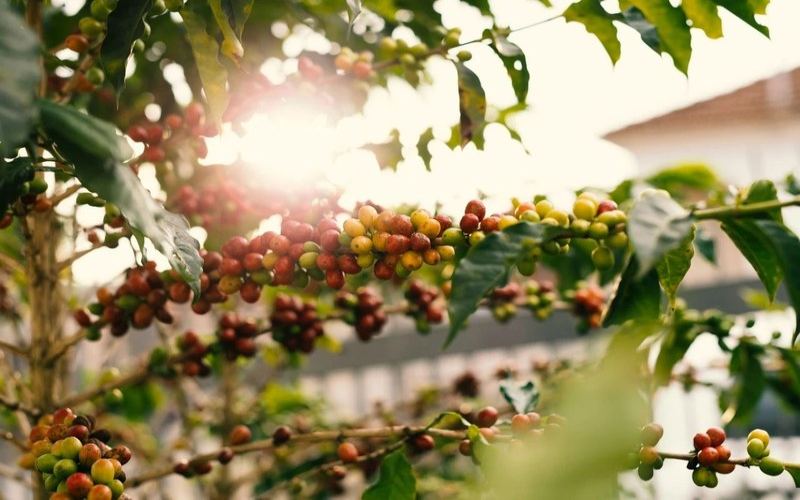
Noticeably sweet and rich in fruity aromas—choose pour-over beans by roast level
If you want to drink pour-over coffee with clear sweetness and a noticeable fruity aroma, the roast level is a very practical screening clue. Light roasts more easily retain floral, citrus, and berry notes, medium-light roasts bring fruity aromas and sugary sweetness closer together, and medium roasts add roundness and caramel associations. Based on whether you prefer a bright, soft, or full-bodied taste, [more…]